Game developer · Technical entrepreneur

Ned
Lerner.

Building worlds.
Bringing people together.

From early 3D flight simulation and Looking Glass to voice-connected play, PlayStation tools and shared entertainment.

Explore the story
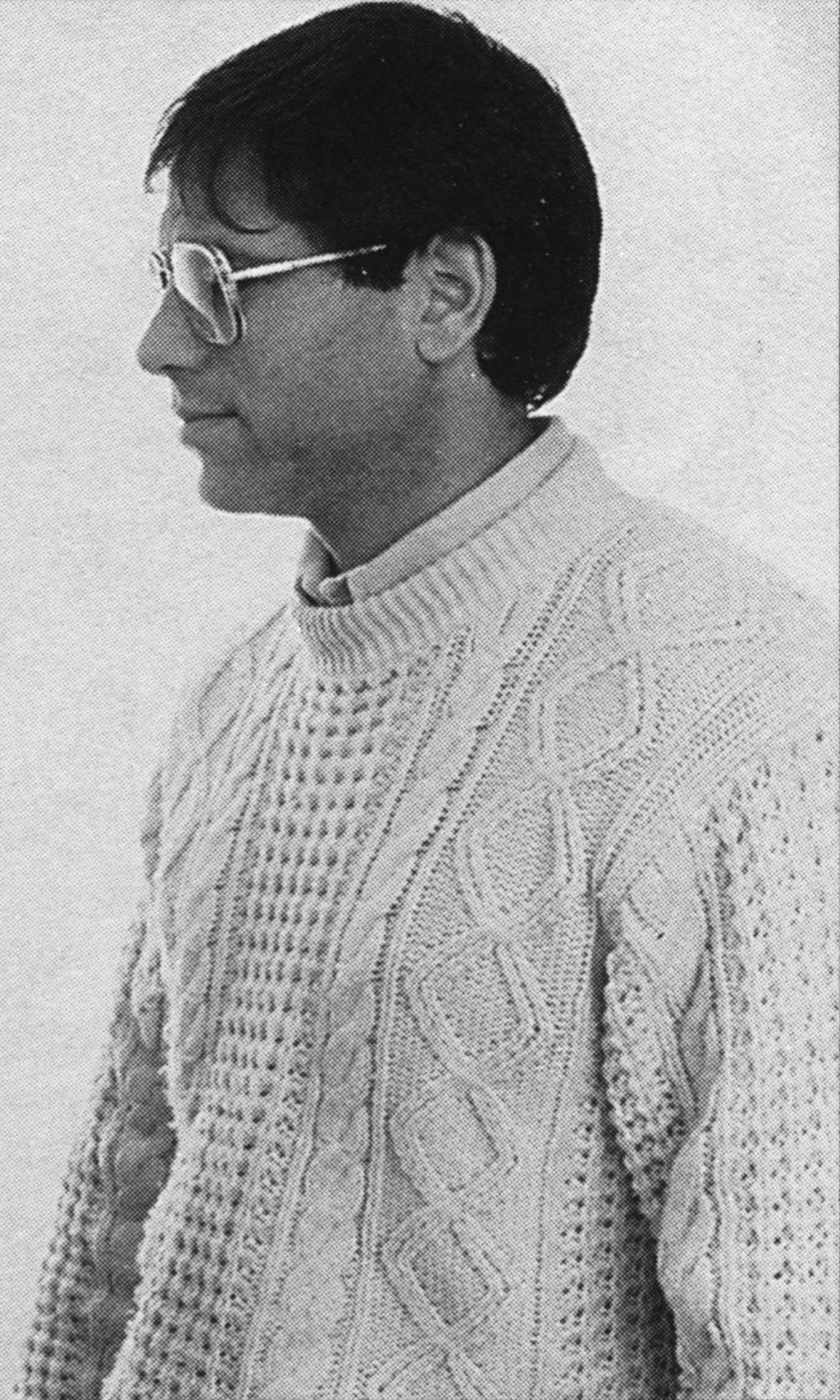
Ned Lerner in profile in a historical photograph published in 1987
Edward “Ned” Lerner1987 · From the archive ↗

The through line

Making the future
something you can play.

Edward “Ned” Lerner is a game developer, engineering leader and entrepreneur. As a teenager, he assembled road bicycles for friends; later, he built flight simulators, cofounded Looking Glass and led tools teams serving PlayStation studios. His career connects the early years of commercial 3D simulation with immersive worlds, live voice in Internet games and software used to create them.291234

He developed Chuck Yeager’s Advanced Flight Trainer, founded Lerner Research, cofounded Looking Glass Technologies and Multitude, and led tools and technology engineering at Sony Worldwide Studios. He later founded Hearo, creator of Hearo: Multiplayer TV, to bring the experience of watching and talking together to online entertainment. Across these projects, his work has combined technical invention with building products and teams.51267
From bicycles to flight simulation

Long before his first hit game, Lerner was assembling road bicycles at home and selling them to friends. His high-school venture, Ned Lerner Bicycles, bought parts directly from distributors. In its 1997 profile “Grateful Ned,” Red Herring found that the small business still had a place on his résumé.29

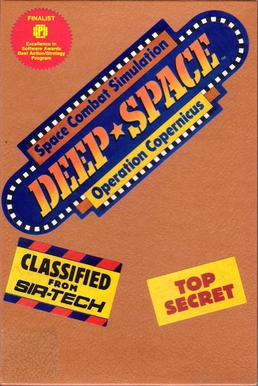
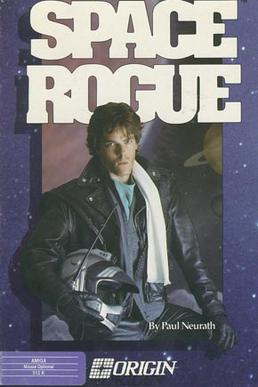
At Four-Phase Systems, a minicomputer maker, his programming-aptitude score prompted a retest. He did better the second time and was hired into technical support. A year later, he left to write games. With Paul Neurath he developed Deep Space: Operation Copernicus, published by Sir-Tech. Their collaboration continued into Space Rogue, whose manual names both as programmers.2989

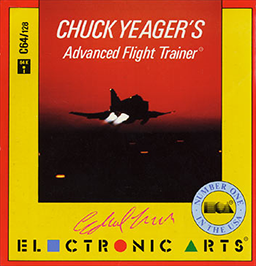
The path to a hit included two canceled projects and a move to California. In 1985, Electronic Arts signed the newly formed Lerner Research to develop his flight-simulation technology. Chuck Yeager’s Advanced Flight Trainer followed in 1987. EA later called it “the company’s first number one best-seller for the IBM PC.”2951011

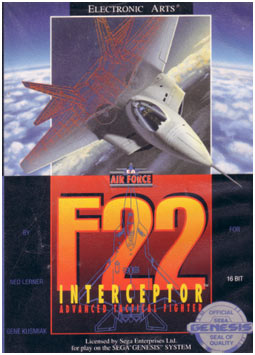
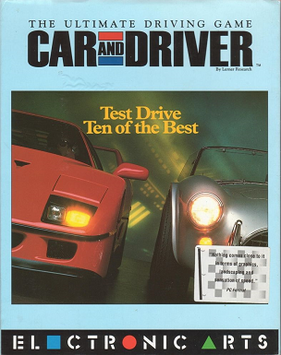
F-22 Interceptor on Genesis and Car and Driver on PC extended that work into combat flight and driving. F-22’s U.S. box carried a “By” credit to Lerner and programmer Gene Kusmiak; its manual names Lerner for Design. Car and Driver became a test bed for early texture-mapping work.49121314

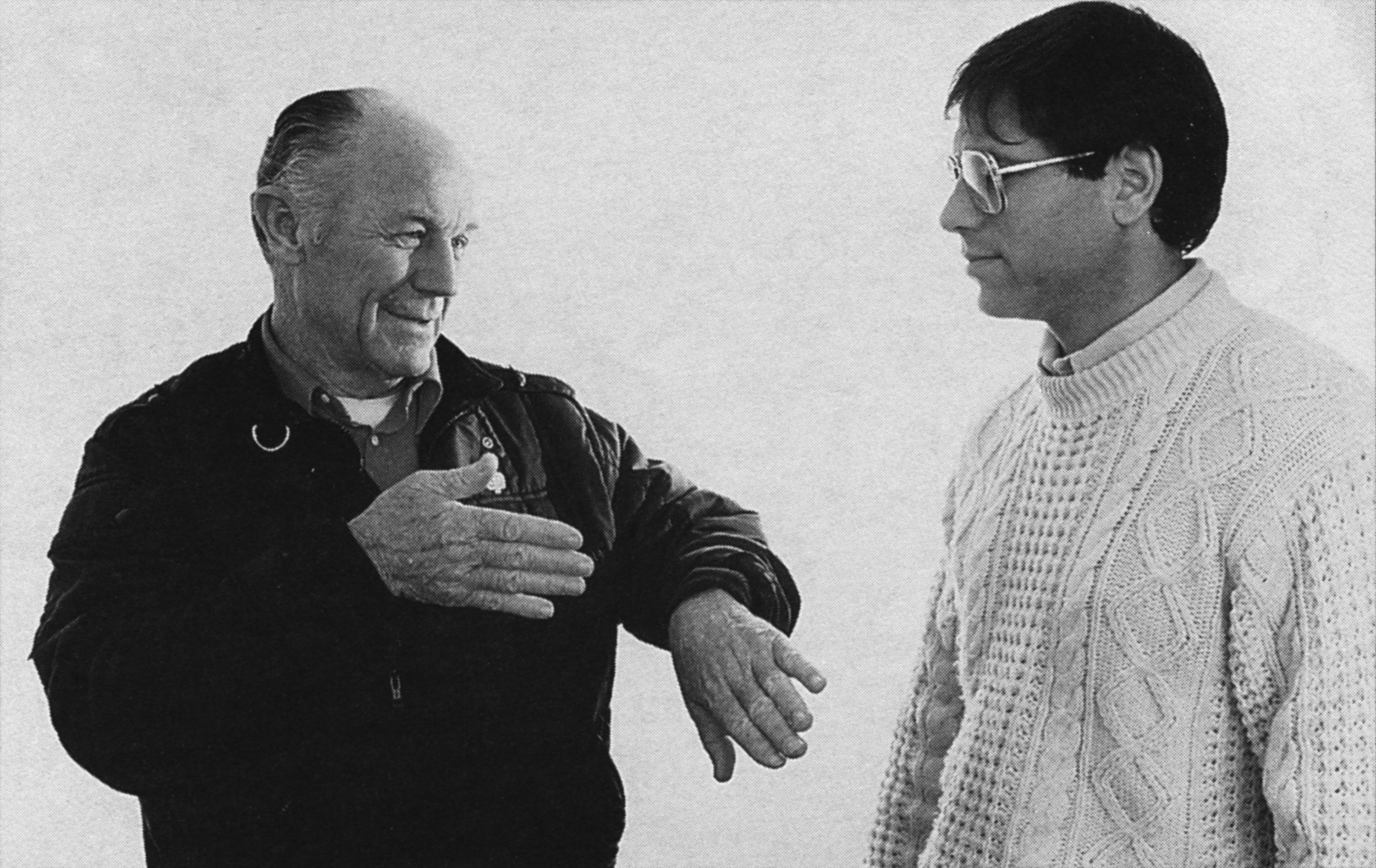
Chuck Yeager, left, and Ned Lerner, right, seated together in 1987
An early milestone / 1987

Chuck Yeager, left, with Ned Lerner. Chuck Yeager’s Advanced Flight Trainer helped bring flight simulation to a wider PC audience.

Electronic Arts, Farther, Summer 1987 · Image credit ↗

From graphics to worlds you could inhabit

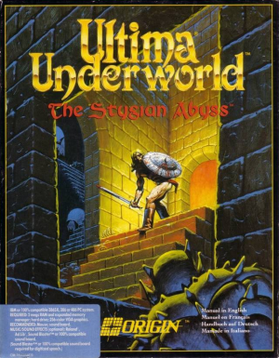
At Lerner Research, Chris Green developed texture-mapping code intended for clouds and billboards in Car and Driver. The work also fed into Ultima Underworld’s 3D technology. Polygon’s 2015 history also reports Lerner’s financial support for Ultima Underworld.141546

Ultima Underworld helped establish what became known as the immersive sim: a world of interacting systems in which players could explore and find their own solutions. It offered a different way to play as well as a different view of the game world.1617

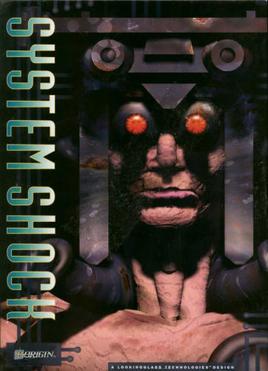
In 1992, Lerner Research merged with Neurath’s Blue Sky Productions to form Looking Glass Technologies. Its games, including System Shock and Flight Unlimited, pursued the same ambition: convincing worlds that players could inhabit and investigate. Producer Warren Spector told Polygon that the studio’s influence “can’t be overstated today.” Mahardy’s history identifies Lerner’s simulation and texture-mapping expertise and his leadership of Looking Glass’s flight-simulation work.129171846

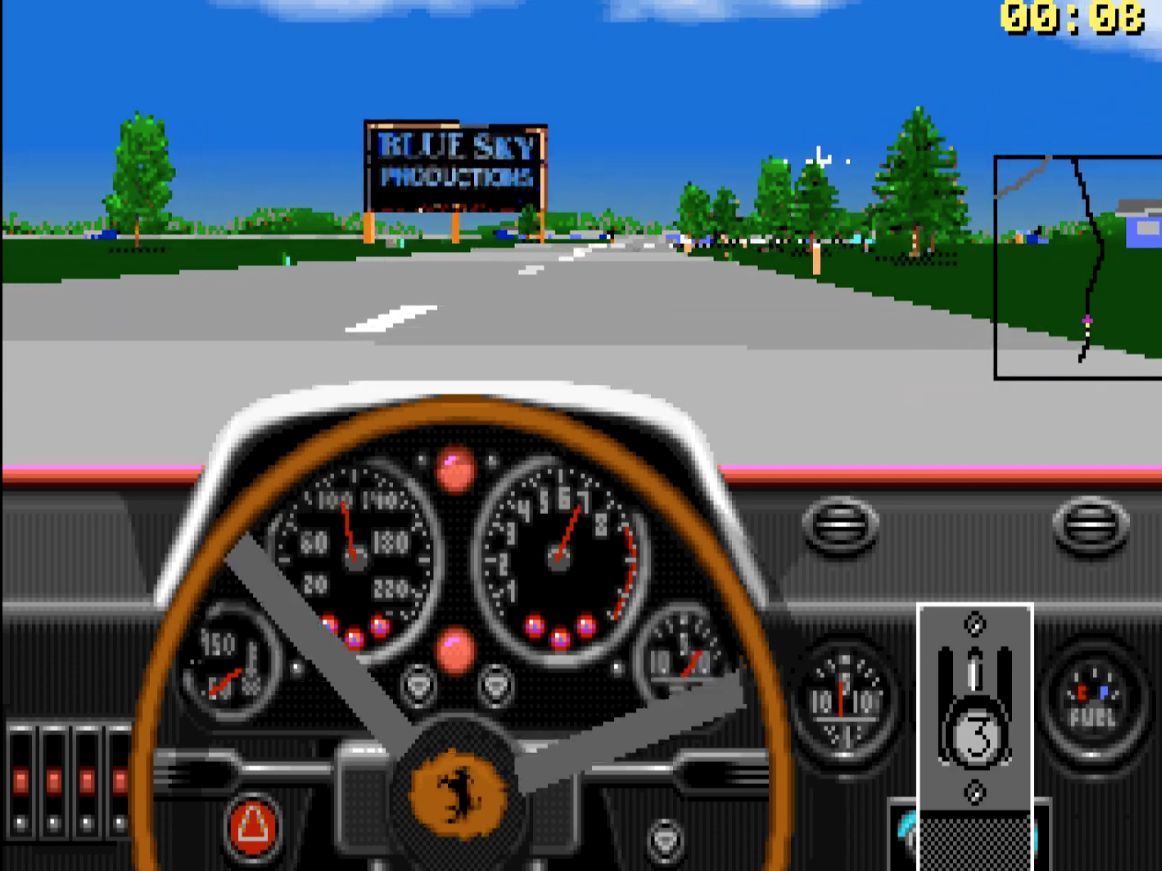
Car and Driver DOS gameplay with a Blue Sky Productions billboard beside the track

Graphics becoming worlds / 1992

A sign of things to come.

A billboard in Car and Driver: an early canvas for the texture-mapping work that connected Lerner Research and Blue Sky.

Gameplay still · Image source ↗Watch the billboard sequence · 16:04 ▶

On the people who built Looking Glass

“Even I underestimated them.”

Ned Lerner, in Polygon’s history of Looking Glass, 2015 ↗

Building Looking Glass

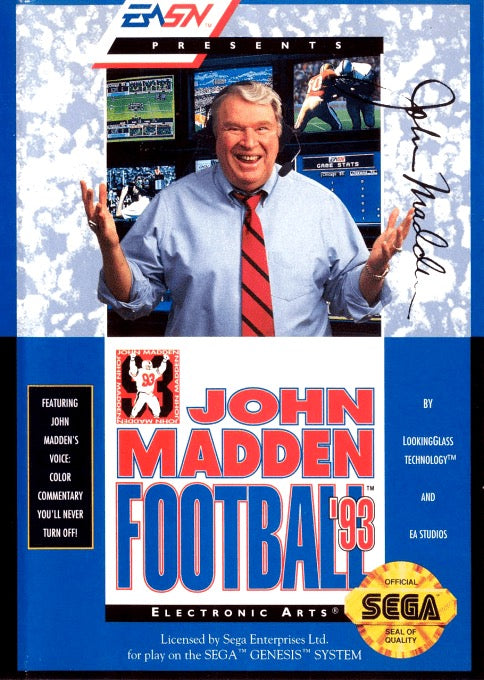
A 1995 profile names Lerner as Executive Vice President and Chairman of the Board of Looking Glass. The Genesis box for John Madden Football ’93 prominently bills LookingGlass Technology and EA Studios. Hearo’s later published company biography identifies Lerner as a producer on the game; he identifies his work as the Sega Genesis version, released in 1992.485047

Looking Glass became a place where talented developers learned from one another. Ken Levine later credited Neurath and Lerner with creating a studio whose people and games were ahead of their time, and described his experience there as an education in game design.19

Its colleagues and alumni went on to shape other parts of the industry. Levine cofounded Irrational Games and led BioShock. Seamus Blackley became one of the creators of the original Xbox. Doug Church and Brian Jacobson took their experience into later work at Valve. The broader circle included Green, who became a Valve graphics engineer, as well as writers and artists whose careers extended beyond games. Looking back for Polygon, Lerner said of the team, “Even I underestimated them.”192021222346

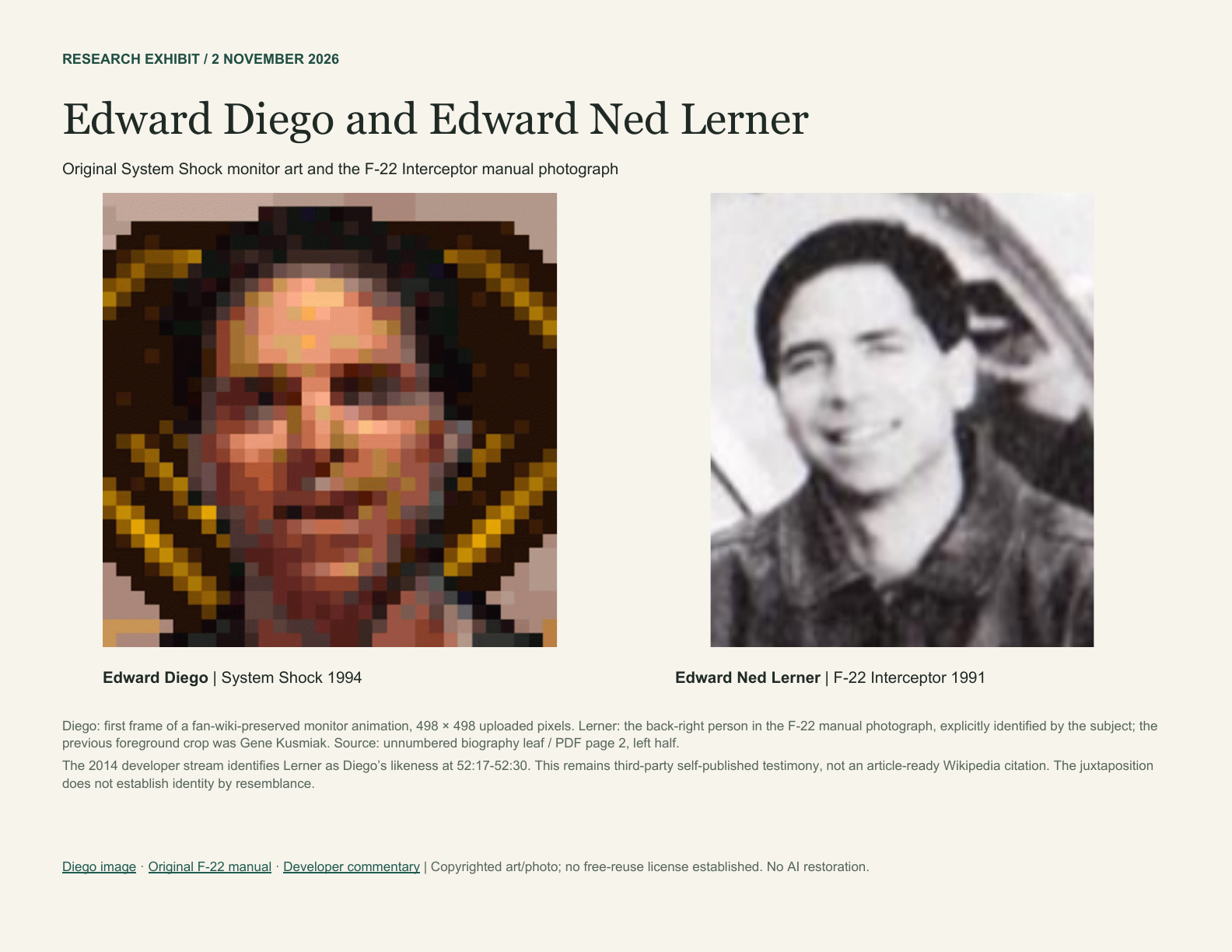
There is also a more literal trace of Lerner inside a Looking Glass world. During a recorded playthrough of the original System Shock, members of its development team identified the face of the character Edward Diego as Ned’s. His likeness became part of the fiction.2425

Edward Diego’s original System Shock monitor portrait, left, and Ned Lerner in the F-22 Interceptor manual, right
Edward Diego · System Shock, 1994Ned Lerner · F-22 manual, 1991

A face inside the fiction

A familiar character.

In a recorded developer playthrough, the team identified Ned as the face of Edward Diego. The photograph at right shows Ned behind on the right in the original F-22 manual group photo, as identified by Lerner.

Original images & developer commentary ↗Hear the developers identify Ned · 52:17 ▶

Making the Internet a place to play together

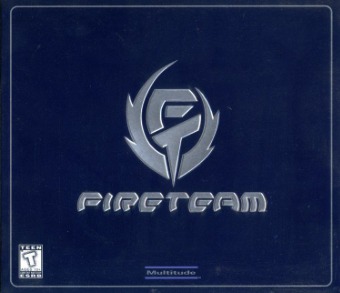
In 1996, Lerner and Art Min founded Multitude to explore a different frontier: games built around people talking and playing together over the Internet. FireTeam combined team-based arena matches with live voice communication. Conversation was part of how the team functioned. Players could call for help, coordinate a move and react to one another as the match unfolded.22627

A 1997 E3 demonstration connected players in Atlanta with Multitude’s staff in San Mateo. FireTeam shipped in December 1998, attracting coverage from publications including WIRED, GameSpot and Computer Gaming World. Min’s development postmortem describes the close relationship between team play, voice and community, and credits Jim Morris with developing the voice technology.28272

The work drew attention beyond the games press. The Red Herring made Lerner the subject of its June 1997 cover profile, “The social engineer,” then included him in its Top 20 Entrepreneurs of 1997 feature the following month.262930

Multitude’s communications work also produced FireTalk, which brought Internet voice calls, group conferencing and shared browsing to a wider audience. EE Times reported the company’s estimate of 1.7 million users, and an academic evaluation documented its value for distance education. After FireTalk and HearMe closed in 2001, Forbes reported that Paltalk’s Jason Katz bought their subscriber lists, source code and pending patents.31323334

Helping studios build more ambitious games

Lerner later served as chief technology officer of Electronic Arts’ Maxis studio. His professional account identifies architecture and performance work on The Sims 2. From 2003 to 2017, he held tools and technology engineering leadership roles at Sony Worldwide Studios, working on the infrastructure that supported game creators across the organization.3536

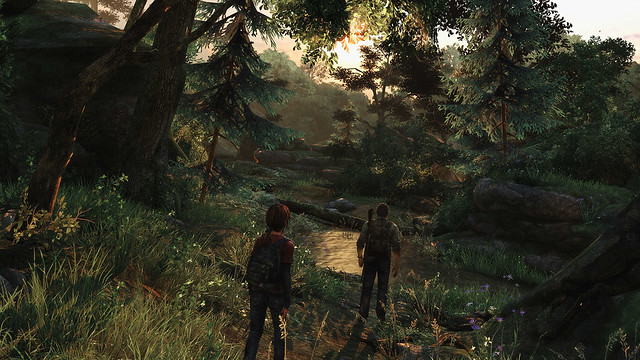
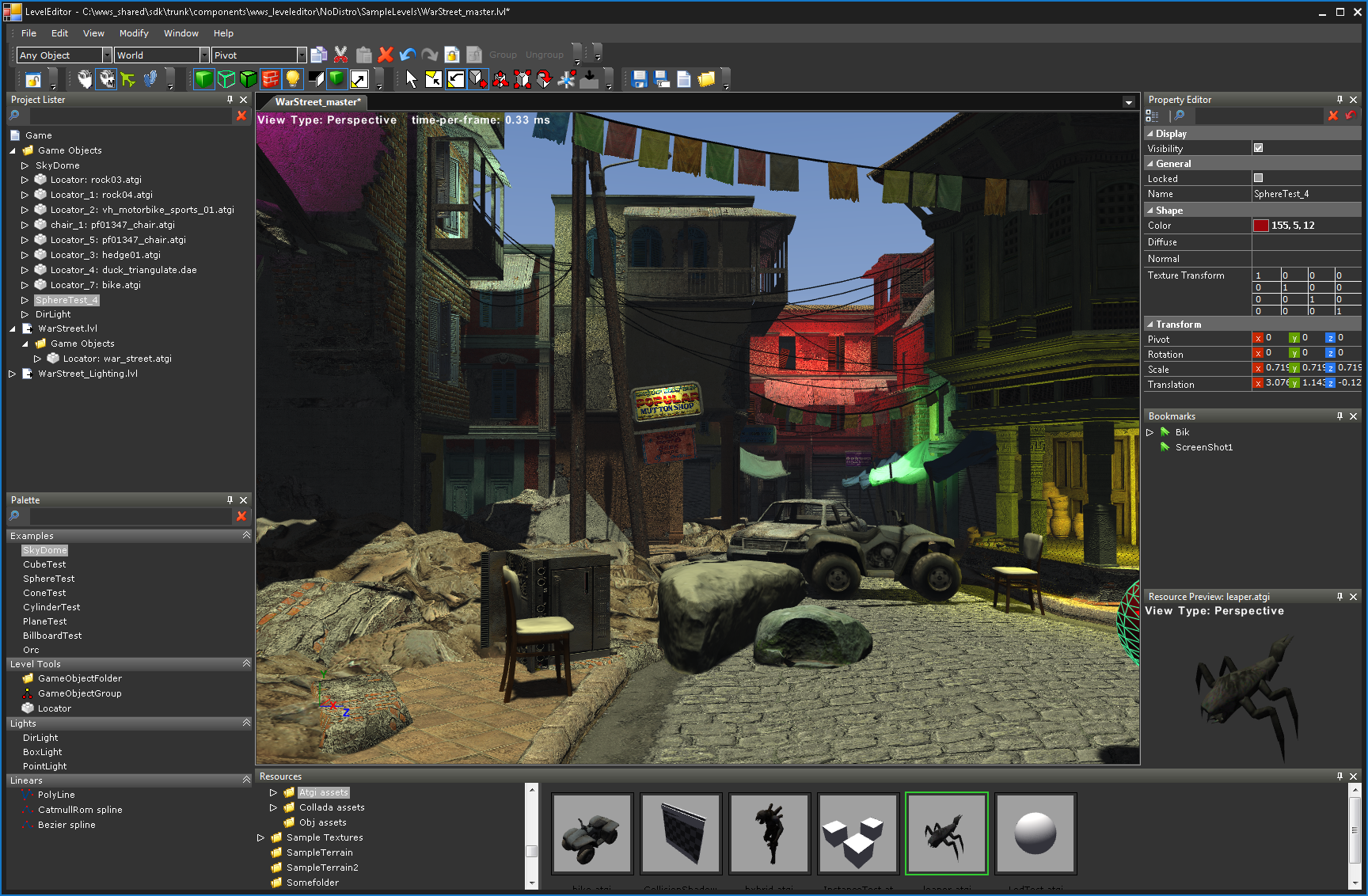
His group’s work included the Authoring Tools Framework, or ATF: reusable components that studios could use to build their own level editors, animation tools and other development software. Bill Budge originally created the framework; Ron Little and other members of Sony’s tools organization developed it further. Naughty Dog adapted its LevelEditor sample into Charter for Uncharted and The Last of Us. Other studios applied the framework to their own production needs.436

Lerner supported making that shared technology open source. Sony’s documentation records ATF adoption across its studios and at outside developers including Riot Games and Infinity Ward. His tools organization also worked with the LLVM compiler community. In a six-part series published in 2014, he wrote about the business and engineering case for sharing software: distributing costs, improving tools and collaborating beyond company boundaries.4373839

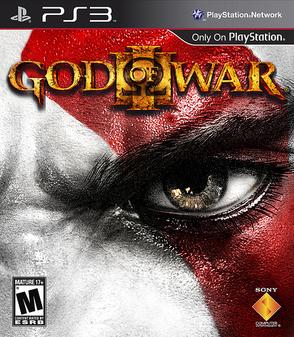
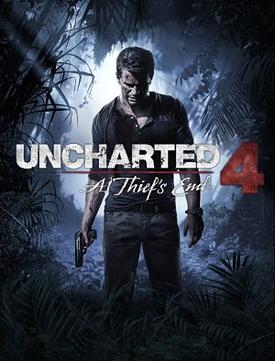
His named game credits span several generations of PlayStation. Original credits identify his tools-group leadership roles on games including God of War III, Gran Turismo 6, Uncharted 4: A Thief’s End, Horizon Zero Dawn and The Last of Us Remastered’s Left Behind sequence. His contribution extended through the tools and infrastructure shared by game makers across multiple studios.4041424344

Sony’s ATF LevelEditor sample with a scene viewport, object lists and property controls

The tools behind the worlds

Helping creators create.

The ATF LevelEditor sample brought reusable editing components together. Studios could adapt the framework to their own games and production workflows.

Sony ATF gallery · Image source ↗

Bringing shared experience beyond games

Lerner founded Hearo in 2017, returning to the relationship between live voice and shared entertainment. The service, Hearo: Multiplayer TV, offered desktop and mobile apps that let people watch video together while talking with friends. GamesBeat covered the service’s open beta and financing in February 2020 and its broader app launch that December.457

The project applied lessons from multiplayer games to another familiar social experience: watching a match or a movie with someone else. During the pandemic, Hearo’s team adapted its plans for live sports to include television and streaming entertainment, keeping conversation at the center of the experience.7

In 2025, Lerner returned to independent work under the Lerner Research name.3

Selected work

Games along the way.

Hands-on development, studio leadership and the tools behind a generation of games.

19 selected games

Uncharted: Golden Abyss — original game cover art
2011 / 2012 edition14

Uncharted: Golden Abyss

PlayStation Vita

Director, Tools and Technology

Contributions differ by game and edition. Each entry links to its sources and the scope of the credit.

Selected viewing

See the work.
Hear the stories.

Eight picks: original gameplay, an archival trailer, thoughtful retrospectives and the people who built the worlds.

More worth watching 7 videos

These videos offer game and development context. The credits and sources document Lerner’s specific contributions. Video credits & selection notes ↗

Colleagues & collaborators

Extraordinary people.
Shared possibilities.

A few of the developers, writers and artists connected through Looking Glass and its predecessor work.

04

Chris Green

Lerner Research and early Underworld graphics collaborator; later a Valve graphics engineer and SIGGRAPH presenter.

Read more about Chris Green
05

Art Min

Looking Glass programmer and Multitude cofounder; later held software leadership roles for the Oculus Quest platform.

Read more about Art Min
09

Gareth Hinds

Looking Glass artist and author of graphic adaptations; his version of The Odyssey is a New York Times bestseller.

Read more about Gareth Hinds

The short version

A career at the intersection of
technology, creativity and people.

Read a short biography

Edward “Ned” Lerner is a game developer and technical entrepreneur whose career spans early 3D simulation, immersive worlds, online voice and game-development tools. He developed Chuck Yeager’s Advanced Flight Trainer, founded Lerner Research, and cofounded Looking Glass Technologies and Multitude. At Multitude, FireTeam integrated team play with live Internet voice, followed by the communications service FireTalk. Lerner served as CTO of EA’s Maxis studio and led tools and technology engineering at Sony Worldwide Studios, where his group’s work included the Authoring Tools Framework and open-source collaboration. His named tools credits include God of War III, Gran Turismo 6, Uncharted 4 and Horizon Zero Dawn. He later founded Hearo, creator of Hearo: Multiplayer TV, bringing shared viewing and voice conversation to online entertainment.

Download biography text ↓
Explore the sources behind the story ↗